Lab Furniture & Workstations for Schools and Technology
Laboratory furniture and equipment designed for labs in schools and technology.

Laboratories have a significant impact on different areas, including education, technology, and scientific research. When establishing a laboratory, it is important to give adequate attention to the selection of furniture, which is often overlooked. Functionality, safety, and durability are crucial factors to consider when selecting furniture for different laboratory types. Let’s dive into the significance of well-designed laboratory furniture and explore its specific requirements in school labs, technology labs, and research facilities.
School Laboratory Furniture
School laboratories prioritize the creation of a safe and suitable environment for students to participate in scientific experiments and practical learning. In order to be effective, school laboratory furniture must possess specific necessary characteristics. Ensuring student safety is a top priority. Ergonomics is an important factor in promoting students’ comfort and preventing musculoskeletal problems. The use of adjustable stools and lab benches promotes proper posture during experiments for students.
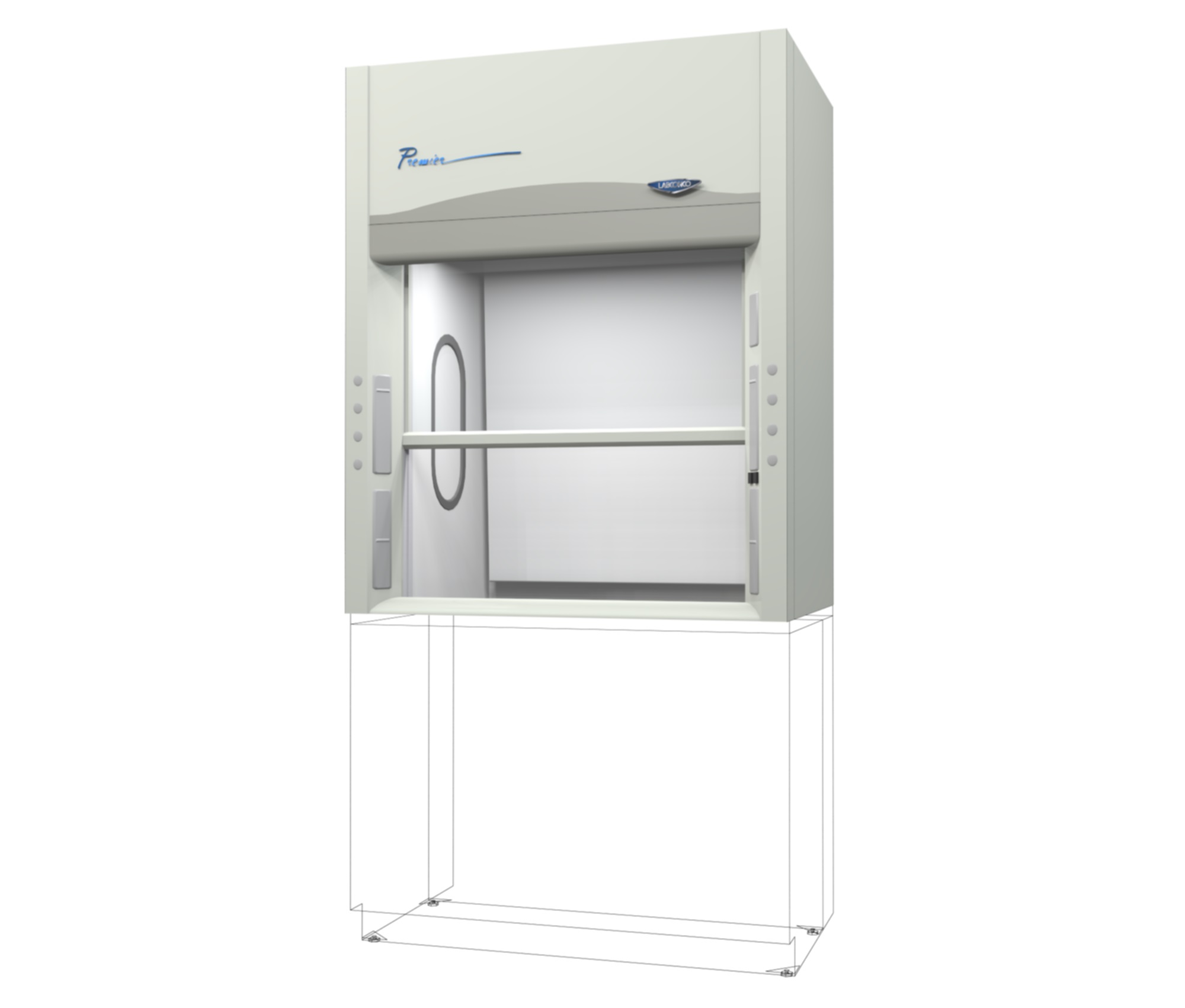
School laboratories are typically equipped with essential furniture pieces such as lab benches, stools, storage cabinets, and fume hoods. Lab benches offer sufficient surface area for students to carry out experiments and engage in research activities. Stools with adjustable heights are designed to cater to students of different heights and encourage ergonomic seating postures. Storage cabinets are essential for keeping lab equipment and chemicals organized and secure. Fume hoods aid in the elimination of potentially hazardous substances and fumes from the laboratory setting.
The choice of materials is an important consideration for school laboratory furniture. When choosing materials, it’s important to keep in mind their durability and ease of cleaning, especially in light of possible spills and stains. Chemical-resistant surfaces and robust construction ensure the longevity of the furniture and simplify maintenance, making it easier for teachers and lab assistants to keep the lab clean and tidy.
Technology Laboratory Furniture
Technology laboratories require specific furniture to cater to the unique needs of equipment-intensive environments. Adjustable and flexible furniture is essential to accommodate the varying sizes and configurations of technology equipment. This allows for efficient utilization of space and facilitates seamless workflow. Cable management and electrical connectivity are critical considerations in technology labs. Furniture should provide effective cable routing systems and convenient access to power outlets for a clutter-free and efficient setup.
Specialized furniture plays a vital role in technology laboratories. Computer workstations with ergonomic design features promote comfortable and productive work experiences for technicians and researchers. Equipment racks provide secure and organized storage for servers, switches, and other networking components. These racks often incorporate cooling mechanisms to maintain optimal temperature conditions for the equipment.
Research Laboratory Furniture
Research laboratories encompass a wide range of disciplines, from biology and chemistry to physics and engineering. These laboratories require versatile furniture that can adapt to the ever-changing research needs. The ability to reconfigure the workspace and accommodate new equipment is crucial for promoting efficiency and productivity.
Modular and adaptable furniture is essential in research laboratories. Researchers often need to rearrange their workspace to accommodate different experiments or projects. Furniture with modular components allows for easy customization, enabling researchers to create workstations that meet their specific requirements. Adjustable shelving and storage solutions are also beneficial for organizing research materials and equipment.
Integration of equipment is another crucial consideration in research laboratory furniture. Researchers use a variety of instruments and apparatus, such as microscopes, centrifuges, and analytical devices. Furniture should be designed to accommodate these instruments seamlessly, providing secure placements and convenient access. Integration features, such as built-in power outlets and cable management systems, ensure a tidy and organized workspace.
Laboratory Furniture Essentials
Regardless of the specific laboratory type, certain furniture pieces are essential to create a functional and safe environment. Let’s explore the key furniture essentials that should be present in all types of laboratories:
1. Lab Benches:
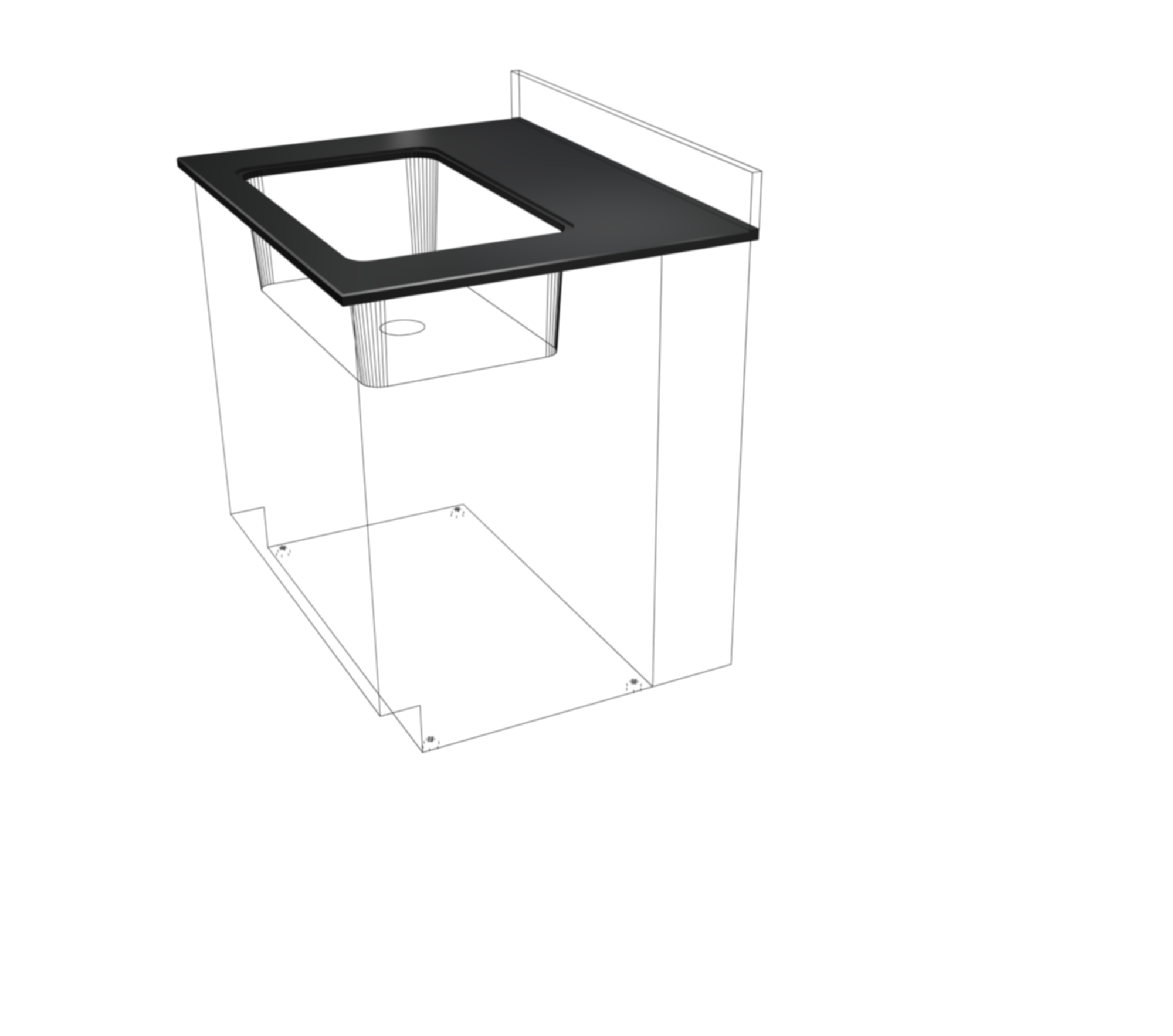
Lab benches provide the primary workspace for conducting experiments and research activities. They should be sturdy, spacious, and resistant to chemicals and heat. Providing sitting height as well as standing height work surfaces ensures a comfortable working environment for both researchers as well as students.
2. Stools:
Adjustable stools are crucial for providing ergonomic seating options in laboratories. They should offer adequate support, allow for height adjustment, and have a stable base to prevent tipping.
3. Storage Cabinets:
Storage cabinets are essential for keeping laboratory equipment, chemicals, and samples organized and secure. They should be designed to withstand chemical spills and provide proper ventilation when required.
4. Fume Hoods:
Fume hoods are crucial in laboratories that involve the handling of hazardous substances or chemical reactions. They help to exhaust harmful fumes and protect researchers from potential exposure.
5. Storage Solutions:
Effective storage solutions, such as shelves, drawers, and wall cabinets, are necessary for organizing laboratory supplies, glassware, and instruments.
When selecting laboratory furniture, proper material selection is key. High-quality materials that are resistant to chemicals, heat, and wear ensure the durability and longevity of the furniture. Additionally, furniture should be easy to clean and maintain to uphold hygienic standards in the laboratory environment.
Do you need help designing your lab? CatLabPro is a leading supplier of high quality lab furniture. Contact us for any of your lab research furniture needs.